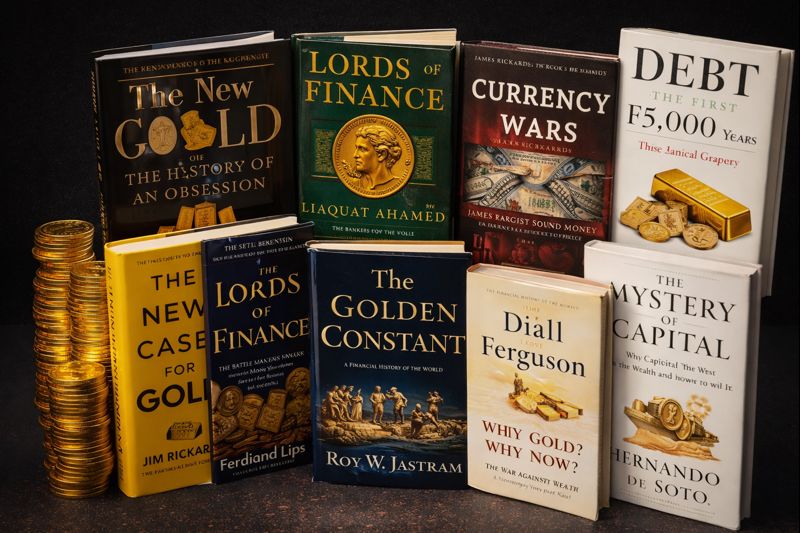
Gold has never been just a metal. Across history, it has functioned as money, power, belief, insurance, and social memory. To understand gold today, its price movements, its psychological pull, and its structural role in societies, one must go beyond charts and headlines. The following ten books offer complementary perspectives on gold, each illuminating a distinct dimension of its economic, political, and sociological significance. Together, they form a coherent framework for understanding why gold continues to matter in a world obsessed with digital abstractions.
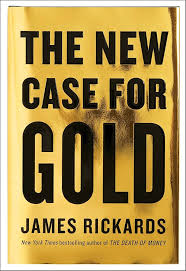
1. The New Case for Gold – Jim Rickards
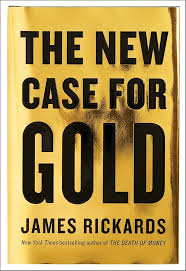
Rickards approaches gold as a strategic asset within the global monetary system. What distinguishes this book is its focus on gold as a reserve of last resort in a fragile financial architecture dominated by debt, derivatives, and central bank intervention. Gold here is not speculation, but insurance against systemic failure.
2. The Power of Gold: The History of an Obsession – Peter L. Bernstein
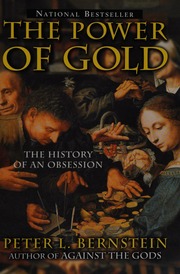
Bernstein explores humanity’s psychological fixation on gold across civilizations. This book stands out for framing gold as a cultural constant, shaping empires, religions, and social hierarchies. Gold is treated as a mirror reflecting human desire for permanence in an unstable world.
3. Lords of Finance – Liaquat Ahamed
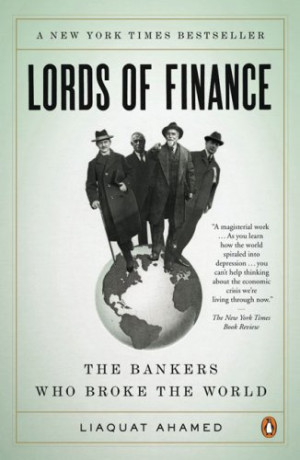
Although not exclusively about gold, this book is essential for understanding the gold standard and its role in shaping modern economic crises. Its distinctive feature lies in showing how rigid attachment to gold influenced political decisions and social suffering during the Great Depression.
4. Gold Wars – Ferdinand Lips

Lips exposes the political manipulation of gold markets by governments and financial institutions. What sets this work apart is its investigative tone, presenting gold as a suppressed truth within modern finance. Gold here represents resistance to monetary control.
5. The Golden Constant – Roy Jastram
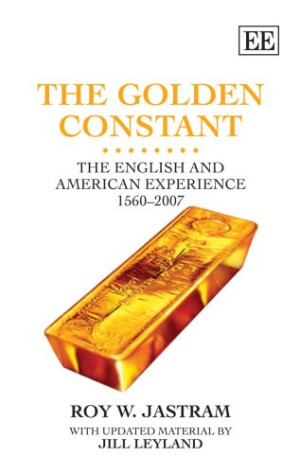
This book analyzes gold’s purchasing power over centuries. Its uniqueness lies in its long-term empirical approach, demonstrating how gold preserves value across wars, inflations, and regime changes. Gold emerges as a social stabilizer rather than a short-term trade.
6. Currency Wars – James Rickards

Distinct from his gold-focused work, this book places gold within the broader struggle between national currencies. Gold is presented as a neutral anchor in a world of competitive devaluations, revealing its geopolitical relevance in global power dynamics.
7. Debt: The First 5,000 Years – David Graeber

Graeber does not glorify gold, and that is precisely what makes this book valuable. By examining debt, money, and power structures, it contextualizes gold as one historical response to social trust and obligation. Gold appears as a tool societies use when trust collapses.
8. The Ascent of Money – Niall Ferguson
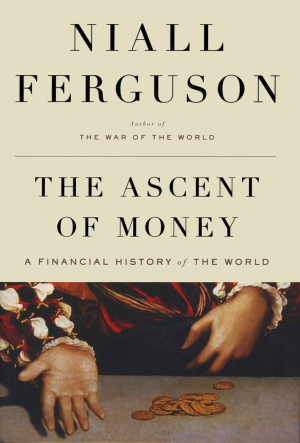
Ferguson situates gold within the evolution of financial systems. The book’s strength is its narrative clarity, showing how gold transitioned from sacred object to monetary benchmark. Gold here is a stage in the social construction of money.
9. Why Gold? Why Now? – E.B. Tucker
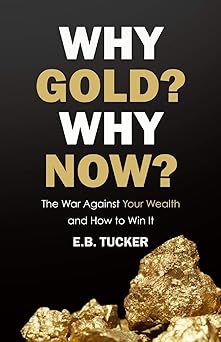
This book focuses on contemporary market behavior and investor psychology. Its distinguishing feature is accessibility combined with structural insight, linking gold demand to demographic shifts, financial repression, and institutional mistrust.
10. The Mystery of Capital – Hernando de Soto
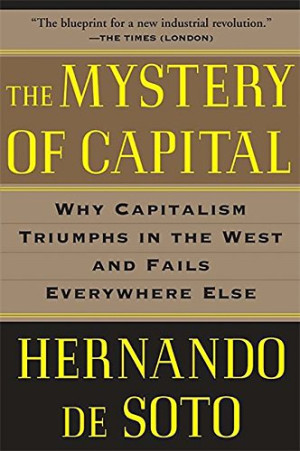
While not explicitly about gold, this book explains why societies turn to tangible assets like gold when legal and institutional systems fail. Gold functions here as informal capital, trusted where formal property rights are weak or absent.
Gold as a Social Structure, Not a Commodity
What unites these works is the understanding that gold operates simultaneously on multiple levels: economic, political, psychological, and social. Gold is not merely priced; it is believed in. It protects families in times of collapse, preserves social memory across generations, and resurfaces whenever institutional trust erodes.
In a given society, gold reflects how people relate to authority, risk, and time. Where systems are stable, gold sleeps quietly. Where uncertainty grows, gold speaks. These books collectively explain why gold continues to outlive ideologies, currencies, and financial fashions, and why its relevance is structural rather than cyclical.
Gold does not promise progress. It promises survival. And history shows that societies never stop needing that promise.